

Ketamine’s Risk Isn’t Zero – It’s Managed: Here’s How
For safety-conscious readers who want specifics, not headlines.
If you’re considering ketamine therapy or esketamine (Spravato), it helps to see how reputable teams like Lumin Health plan for risk. Thorough psychiatric-informed care doesn’t hand-wave; it anticipates, monitors, and responds.
The purpose of vital sign monitoring and post-dose observation in ketamine therapy
Why Lumin Health checks vitals during ketamine therapy
Ketamine treatment can briefly raise blood pressure and heart rate, and some people feel light-headed, anxious, or drowsy, so taking these baseline vitals helps us know your starting point. Repeat checks during sessions tell us how your body is responding to the ketamine in real time. That information guides simple steps like adjusting room stimuli, offering fluids, positioning your body, or – when appropriate – treating a persistent symptom.
Why you stay at Lumin Health after ketamine dosing
Observation time is a mandatory part of the treatment so that we can ensure you’re safe and comfortable. Your perception, coordination, and alertness can fluctuate as ketamine for depression wears off, so staying in a quiet, supervised space allows staff to confirm that your vitals are trending back toward baseline, that nausea is controlled, and that you feel steady before leaving Lumin Health.
What ketamine dosing day looks like to you.
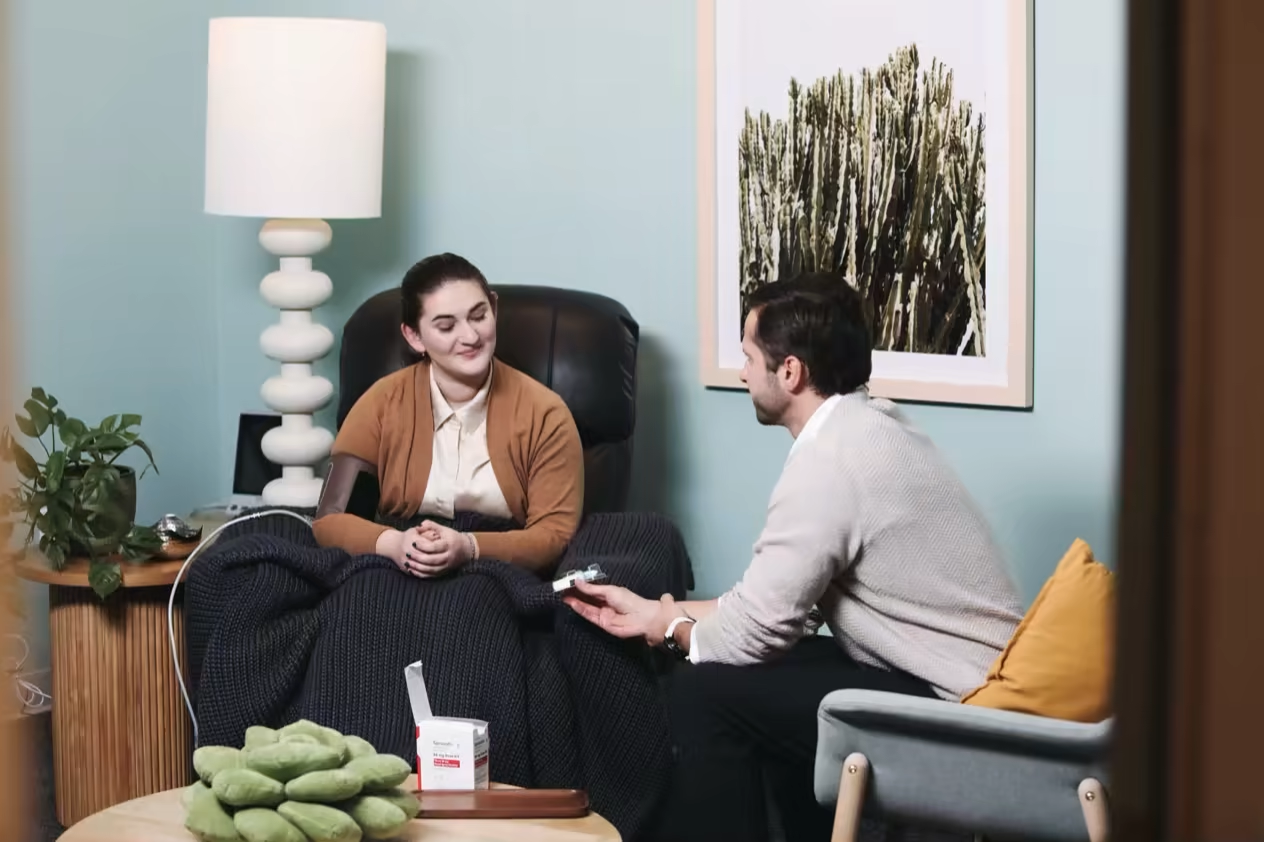
- A calm room, blood pressure cuff, and pulse checks at planned intervals
- A team of dedicated mental health experts who ask about sensations, anxiety, or side effects
- Clear green-light criteria before discharge and a ride home arranged in advance
This is the difference between ketamine therapy as medical care and a do-it-yourself experience.
Concrete examples: aspiration during ketamine therapy and how staff respond
Nausea can occur with ketamine treatment. If someone vomits while drowsy, there is a small risk of aspiration, so Lumin Health’s protocol is designed to intervene as necessary.
How Lumin Health plans ahead
- Before dosing: We guide patients to avoid eating prior to treatment, we review medical history, and discuss anti-nausea options if you’re prone to nausea.
- During dosing: We provide head elevation in our comfortable reclining chairs, a nearby emesis bag, and a team of experts within arm’s reach.
- If vomiting occurs: We help. We’ll make sure that, if in the unlikely event you feel unwell, you are supported and all measures available to us to help you feel better are provided.
The goal isn’t to pretend nausea won’t happen, because it might be unavoidable in certain cases. The goal is to prevent it when we can and respond quickly if it does.
When we say “no ketamine dosing is possible today”: red-flag scenarios
At Lumin Health, we might occasionally recommend waiting. That’s not a setback – it’s designed to be careful judgment with your safety in mind.
Common reasons to pause or reschedule:
- Blood pressure well above safe thresholds at baseline
- New sedating medications started since your last visit or recent alcohol/other substance use
- Acute illness (fever, vomiting, dehydration, respiratory infection)
- No ride home after treatment
- A significant destabilizing life event that makes today feel unsafe
- Unresolved questions about pregnancy status or new cardiac symptoms
You’ll always hear the reason for rescheduling a ketamine session, Lumin Health’s plan to address it, and how we look at reconsidering. This is so your agency as the patient stays central.
What is the risk of ketamine therapy if I’m on other medications?
Tell your Lumin Health team every medication you take – including prescriptions, over-the-counter meds, and supplements. Some medicines can stack risk when combined with ketamine therapy, especially sedatives (for example, benzodiazepines, sleep aids, opioids) and agents that affect blood pressure. At Lumin Health, we will:
- Review your full list and coordinate with your external care team when relevant
- Give day-of guidance about what to continue, hold, or time differently
- Adjust dose or scheduling if side effects were tough last time
- Pause treatment if the combination isn’t safe today
Never stop or change a home medication without consulting a healthcare provider. Decisions are individualized, and collaboration keeps you safe.
Managing ongoing risk in ketamine therapy
Ketamine therapy isn’t risk-free. It’s risk-managed. Vital sign monitoring, post-dose observation, and a readiness to say “not today” are features of careful Spravato treatment – evidence that your safety matters as much as your outcomes. If you want to see these systems up close, a consult at a Spravato clinic is a low-stakes first step. Ask every question you have. What matters most is what feels possible to you.
Take the first step today.
If you or a loved one in Massachusetts and the greater Washington DC/Maryland area is struggling with depression or anxiety, Lumin Health's team of experts is ready to help. Book a free 20-minute consultation to learn if ketamine therapy could be the breakthrough you've been looking for.
Available in Massachusetts and the greater Washington DC/Maryland area.
Frequently Asked Questions
What monitoring happens during a ketamine therapy session?
Your blood pressure and pulse are checked at planned intervals throughout the session, and staff ask about how you're feeling, including any anxiety or side effects. You stay in a supervised space afterward until your vitals trend back toward baseline and you feel steady before leaving.
Why is blood pressure monitored during ketamine therapy?
Ketamine treatment can briefly raise your blood pressure and heart rate, and checking a baseline first helps your care team know your starting point. Repeat checks during the session show how your body is responding in real time, which guides simple steps like adjusting the room, offering fluids, or addressing a symptom directly.
What are the risks of taking other medications with ketamine therapy?
Some medications, especially sedatives such as benzodiazepines, sleep aids or opioids, and anything that affects blood pressure, can add risk when combined with ketamine therapy. Your care team reviews your full medication list, gives guidance on what to continue or hold, and may adjust your dose or pause treatment if a combination isn't safe that day.
For what safety reasons might a ketamine therapy session be rescheduled?
Common reasons include blood pressure well above safe limits, a new sedating medication or recent alcohol use, acute illness, not having a ride home, or a major destabilizing event that makes the day feel unsafe. You'll always be told the reason for rescheduling and the plan to address it.
What happens if I feel nauseated or vomit during a ketamine therapy session?
Staff plan ahead by having you avoid eating before treatment and keeping head elevation, a nearby emesis bag, and a team member close by during dosing. If vomiting occurs, staff are there to help and to reduce the small risk of aspiration.