

Navigating Care: The Hospital System vs. Specialized Psychiatric Organizations for Ketamine Treatment
When seeking advanced psychiatric care, you often face a choice between large hospital systems and specialized, individualized organizations. While hospitals can provide vital acute stabilization, the ability to see patients with a larger burden of medical issues, and often come with academic credentialing (lending trust to the care), dedicated clinical outpatient settings offer the personalized, continuous oversight necessary for complex, neuroplastic interventions (those aimed at helping the brain adapt and form new connections) like ketamine treatment. The right clinic also establishes a presence as a trusted partner in recovery.
Especially in such an experiential treatment program, it’s important to feel like you are not a number, but have a treatment experience tailored to your own needs, with privacy, in a setting ...purpose built to provide the care. At Lumin Health, a psychiatrist-led practice, we focus intensely on creating a biologically receptive window for change, ensuring you are known, heard, and meticulously monitored throughout your care journey. We care for clinical rigor and emotional safety in equal regard. We uphold the highest standards of care (mapped off of the experience providing ketamine and esketamine in Harvard-affiliated academic medical centers) in a setting that wraps itself around tailored care delivery.
Molecular Precision: Beyond the Institutional Standard
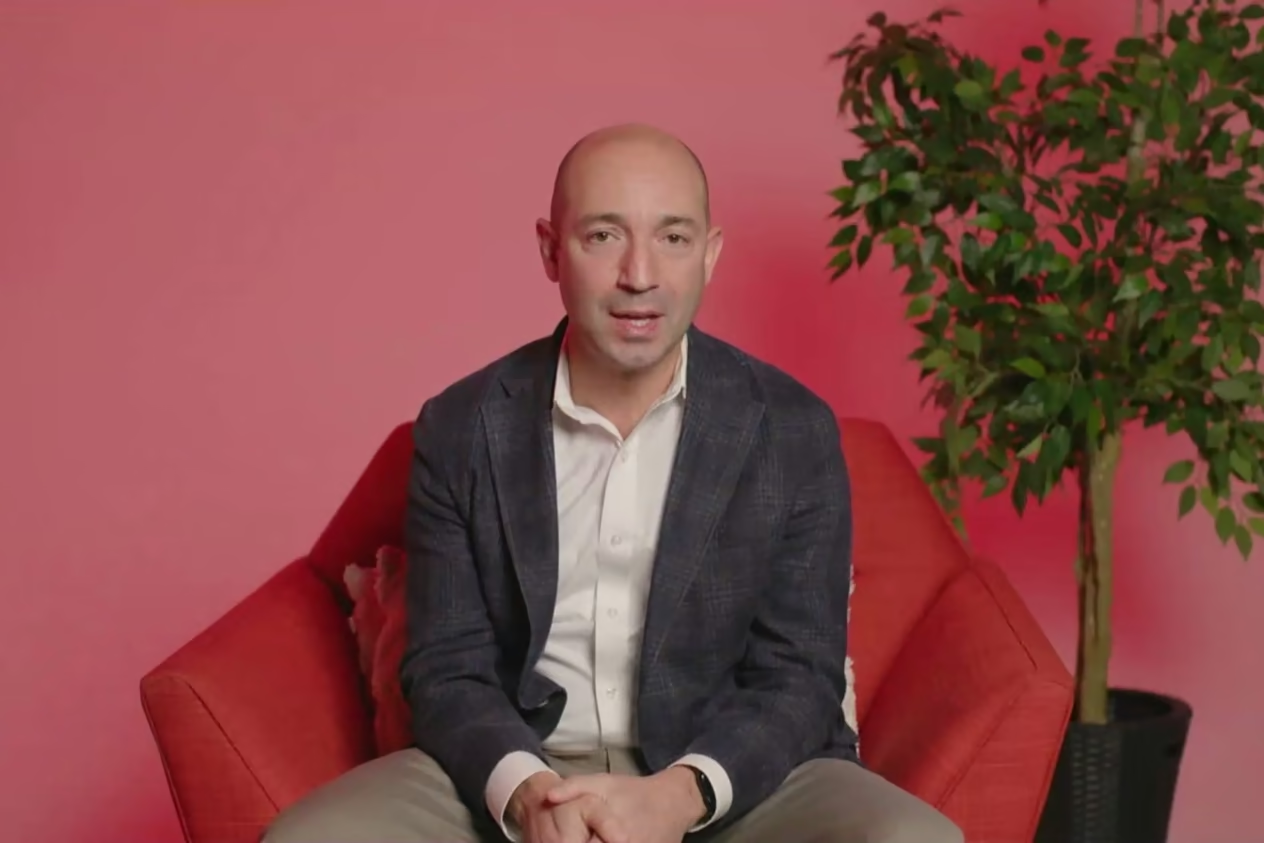
"Relief is rarely found in a one-size-fits-all protocol and the people we see are treated as individuals, respecting their unique circumstances and the ways in which depression impacts self-impression and daily functioning." – Dr. Ben Yudkoff, Chief Medical Officer at Lumin Health.
In a hospital setting, ketamine therapy can sometimes feel like an “add-on” to a system built for acute stabilization and generalized care for psychiatric and medical conditions in the same location. In a dedicated outpatient setting, ketamine treatment can be treated as what it really is: a medically monitored, emotionally significant experience that benefits from continuity, privacy, and time. At Lumin Health, our protocol is designed to hold both sides of the work: careful physiology and careful personhood, so your Spravato treatment (and other forms of ketamine therapy when appropriate) is shaped around your baseline, your side effect profile, and your day-to-day life.
That kind of individualized pacing matters in ketamine for depression, because the goal isn’t to follow a rigid protocol, but to help create a safe window where change may feel more reachable, and where you remain the agent of the next step.
The Neuropharmacology of Relief and Self-Guided Intent
The use of esketamine (Spravato) and ketamine for depression does not simply impact glutamate. As detailed in findings from the American Journal of Psychiatry, it also engages the mu-opioid receptor system[1]. This mechanism sensitizes the brain cell to endorphins, much like putting out more satellite dishes to pick up the signal – a physiological process you might liken to a profound "runner's high." By modulating these pathways, the medication prepares the brain for meaningful change, allowing you to use self-guided intent to achieve relief.
While a large-scale hospital excels at volume and the comfort of familiar systems, specialized psychiatric organizations are built for sustained, nuanced observation. The advantages of seeking care outside of a massive network include:
- Personalized Psychiatric Care: Direct engagement with dedicated providers specifically trained in ketamine and esketamine who are expert in understanding the needs of each person.
- Large, Comfortable, Private Settings: Our rooms at Lumin Health are purpose built to the experience, private, and designed with your safety and comfort in equal regard.
- Comprehensive Safety Protocols: Continuous monitoring of vital signs and structured medical evaluations.
- Logistical Advocacy: Navigating complex pharmacy logistics on your behalf, such as arranging Spravato via a specific pharmacy benefit or a clinical Buy and Bill structure.
A Pathway Forward Beyond the Hospital
Meaningful relief may be possible when you partner with a medical team that views you as an individual with an inherent capacity for change. Whether you are exploring Spravato or assessing other biological pathways, we would be grateful to walk with you towards relief. Explore whether this focused, psychiatrist-led approach may be a fit for your journey.
References
- Williams NR, Heifets BD, Blasey C, et al. Attenuation of Antidepressant Effects of Ketamine by Opioid Receptor Antagonism. Am J Psychiatry. 2018;175(12):1205-1215. PubMed
- Popova V, Daly EJ, Trivedi M, et al. Efficacy and Safety of Flexibly Dosed Esketamine Nasal Spray Combined With a Newly Initiated Oral Antidepressant in Treatment-Resistant Depression: A Randomized Double-Blind Active-Controlled Study. Am J Psychiatry. 2019;176(6):428-438. PubMed
- Fu DJ, Ionescu DF, Li X, et al. Esketamine Nasal Spray for Rapid Reduction of Major Depressive Disorder Symptoms in Patients Who Have Active Suicidal Ideation With Intent: Double-Blind, Randomized Study (ASPIRE I). J Clin Psychiatry. 2020;81(3). PubMed
- Bahji A, Vazquez GH, Zarate CA Jr. Comparative efficacy of racemic ketamine and esketamine for depression: A systematic review and meta-analysis. J Affect Disord. 2021;278:542-555. PubMed
Take the first step today.
If you or a loved one in Massachusetts and the greater Washington DC/Maryland area is struggling with depression or anxiety, Lumin Health's team of experts is ready to help. Book a free 20-minute consultation to learn if ketamine therapy could be the breakthrough you've been looking for.
Available in Massachusetts and the greater Washington DC/Maryland area.
Frequently Asked Questions
Is a 'bad trip' common during ketamine or Spravato treatment?
No. In a supervised setting, dissociation and other perceptual changes are expected, closely monitored, and treated as part of the process rather than something to fear. Dosing is planned for safety and predictability, and your care team stays present to help you through any of these transient effects.
Do I need a history of not responding to medications to access esketamine (Spravato)?
Esketamine (Spravato) is FDA-approved for adults with treatment-resistant depression and major depression with suicidal thoughts. Insurance companies often define 'treatment-resistant' somewhat differently, so your care team reviews your specific history to navigate those requirements. If you have a history of substance dependence, sharing that with your provider helps them plan your care safely.
How is safety maintained during ketamine or Spravato treatment?
Your vital signs are monitored continuously, alongside structured medical evaluations throughout each session. A care team stays present to help guide you through any transient perceptual changes so the experience stays therapeutic. You're closely monitored and attended to throughout treatment.
What are the benefits of a dedicated outpatient setting compared to a hospital system for ketamine treatment?
A dedicated outpatient setting can offer more continuity, privacy, and individualized pacing than a hospital system built for acute, generalized care. This often means direct engagement with providers specifically trained in ketamine and esketamine, plus comprehensive monitoring of your vital signs throughout treatment. Hospitals remain valuable for acute stabilization, but outpatient psychiatric care is often better suited to sustained, nuanced treatment.