

Seasonal Depression or Treatment-Resistant Depression: What's the Difference?
Seasonal depression follows the calendar, arriving in fall or winter and easing in spring, while treatment-resistant depression is depression that hasn't improved enough with antidepressant treatment, and it's possible to have both.
November makes this hard to sort out. The clocks go back, it's dark when you leave work, and feeling awful suddenly has an obvious explanation. Sometimes that explanation is right. Other times the season is only part of the story, and blaming the weather can cost you a few more months on a treatment that stopped helping a while ago.
What Is Seasonal Depression?
Seasonal depression, formally called seasonal affective disorder or SAD, is a type of depression that comes back at about the same time each year. The National Institute of Mental Health describes symptoms that last about four to five months, with episodes in the same season for at least two years running. The American Psychiatric Association estimates that about 5% of U.S. adults experience it. Latitude matters too. If you live in New England, you're more likely to develop it than someone in Texas or Florida.
It's more than the winter blues. Plenty of people feel slower when the days get short and still get through the week fine. SAD includes the symptoms of depression, and it can interfere with work, relationships and ordinary daily life. In the winter pattern, you might also notice:
How Does Daylight Savings Time Affect Depression?
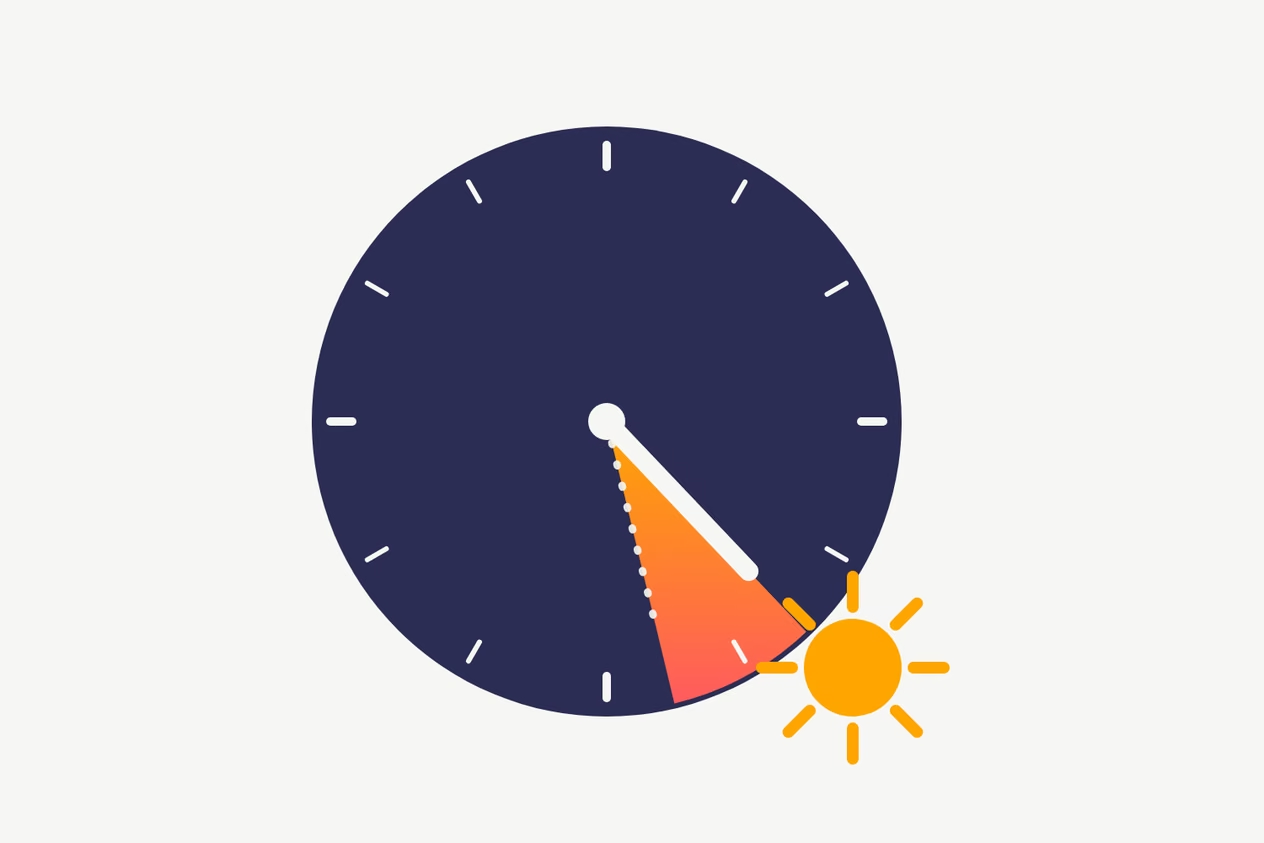
The clearest evidence we have comes from Denmark. Researchers looked at 185,419 hospital contacts for depression between 1995 and 2012. After the fall clock change, the rate of depressive episodes rose by about 11%, and that increase faded over roughly 10 weeks. The spring change didn't show the same pattern.
Two cautions before you read too much into that. These were hospital contacts in one country, so the study can't tell you how you'll feel in Boston or Bethesda this month. It also shows an association. The authors point to disrupted circadian rhythms as a likely reason, but the study didn't measure them.
Still, if November feels suddenly harder, there's research behind that feeling. It's worth paying attention to.
Signs It May Be More Than the Season
Winter can make depression worse, but it doesn't always explain it. A few things suggest it's time to ask a bigger question:
Clinicians generally use the term treatment-resistant depression when depression hasn't responded to at least two adequate courses of antidepressant treatment, though definitions vary and insurance companies add their own rules. STAR*D, a large real-world trial, found that the odds of reaching remission fall with each additional treatment step. If that's where you are, the treatments failed you. You didn't fail them. Our guide on how to know if you have treatment-resistant depression goes further.
If you're having thoughts of suicide, please don't wait for an appointment. Call or text 988, any hour.
Where Esketamine (Spravato) and Ketamine Treatment Fit
Neither medicine is approved specifically for seasonal depression, and seasonal patterns haven't been a focus of the research. Most of what we know about ketamine for depression comes from randomized trials in major depression and a growing literature on treatment-resistant depression. That evidence may still be useful, but it can't tell us exactly how a winter pattern may change things for you.
Esketamine (Spravato) is FDA-approved for adults with treatment-resistant depression and major depression with suicidal thoughts. Ketamine therapy is an evidence-based, off-label application of a medicine that's been in use for over 50 years. At Lumin Health, it's given as an intramuscular injection.
So an evaluation at Lumin Health looks at your treatment history: what you've tried, at what dose, for how long and how it went. A winter pattern can be useful for us to know about. It may be one part of the picture, and whether treatment may be a fit can depend on much more than the season.
These treatments carry real risks, and they aren't right for everyone. A 2022 review found that most side effects, such as dissociation, nausea, headache and blood pressure rises, are usually brief. Spravato sessions still include two hours or more of on-site monitoring, with vital signs like blood pressure and the oxygen saturation of your blood, and you'll need a ride home.
Seasonal Depression FAQ
Does daylight savings time cause depression?
It hasn't been shown to cause depression on its own. One large Danish study linked the fall clock change to a temporary rise in depressive episodes, which faded over about 10 weeks.
When does seasonal depression usually start and end?
For most people with the winter pattern, symptoms come on in the fall or winter and improve with the arrival of spring. In the U.S., January and February tend to be the hardest months.
Can ketamine therapy help seasonal depression?
Seasonal depression hasn't been a focus of the research, so we can only speak to what's known about depression more broadly. Ketamine treatment is off-label. If your depression hasn't responded to antidepressants, an evaluation can look at whether esketamine (Spravato) or ketamine may be a fit, whatever the time of year.
If You'd Like Another Set of Eyes
You don't need to wait until April to see whether this lifts by itself. Your own doctor is a good first call. If you'd also like to explore whether treatment may be a fit, we would be grateful to look at it with you. The team at Lumin Health works across Massachusetts and in Bethesda, Maryland, and you don't need a referral.
Wondering whether it's more than the season?
A free, no-commitment intro call is an easy place to start.
Available in Massachusetts and the greater Washington DC/Maryland area.