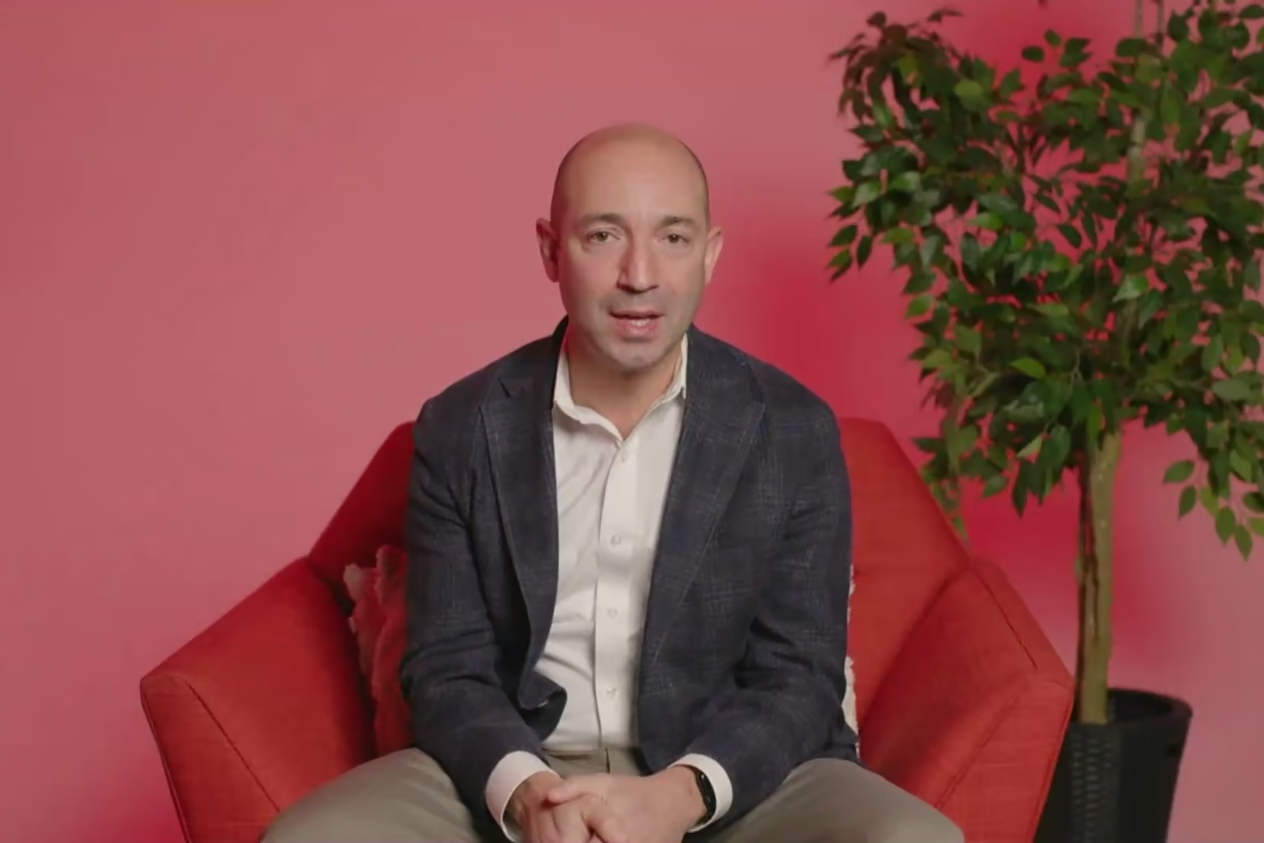


Ketamine appears to work for depression by changing how brain cells communicate through glutamate, which may help them form new connections, and Dr. Ben Yudkoff, Chief Medical Officer of Lumin Health, walks through how in plain language below.
This post is the written companion to a Nov 18 lecture by Dr. Yudkoff. Each section matches a chapter of the recording, so you can read the idea, then watch him explain it. Esketamine (Spravato) is FDA-approved for adults with treatment-resistant depression and for major depression with suicidal thoughts (alongside an oral antidepressant). Using ketamine this way is an evidence-based, off-label use of a medicine that has been in use for over 50 years.
Where Ketamine Therapy Came From
Dr. Yudkoff starts with history, because it explains why this medicine can feel new when it is not. In the 1960s, PCP was made to block a brain receptor called NMDA, and it turned out to be a poor choice for anesthesia. Ketamine came out of the search for a better option and was approved as an anesthetic in 1970.
Psychiatrists noticed its effect on mood almost right away, and papers appeared in 1972. Then the thread was lost. It picked up again after the first widely used SSRI, fluoxetine, reached the market in 1987. Within about seven or eight years, Dr. Yudkoff says, people realized it was not delivering the "perpetual cure that had been promised," and researchers began looking beyond serotonin, dopamine, and norepinephrine toward a different chemical, glutamate.
In 2000, the first published paper of this second wave of interest appeared. Dr. Yudkoff's point is that the novelty has "a lot more to do with its mechanism of action than its durability on the market." Awareness of what ketamine may do has been with us for 26 years.
How Ketamine Works for Depression: Glutamate and Brain-Cell Connections
Glutamate is the chemical brain cells use to excite one another. Dr. Yudkoff uses an apartment-building analogy for the brakes on that signal. A helper cell listens for glutamate and tells the sending cell to "pipe down." At a high dose, ketamine blocks these receptors broadly and you get sedation, which is why it has been so useful in anesthesia.
At a low dose, he explains, ketamine blocks the NMDA receptor but leaves the AMPA receptor relatively unoccupied. It is like putting earplugs in the helper cell. The stop signal does not go out, and for roughly 40 to 90 minutes the cell sends more glutamate than usual.
What may follow is growth, in the way a muscle grows after healthy stress. Dr. Yudkoff says a brain cell's version of growth is reaching out to its neighbors. This is called neuroplasticity (the brain's ability to change), and ketamine can prompt release of a brain cell growth factor called BDNF. One model of depression, he notes, is not too few brain cells but too few connections between them. A more connected brain may regulate itself and send messages to itself better. A study of how NMDA-targeting medicines act on glutamate is available in this PubMed review.
He also stresses that this is an active treatment. In his words, "the actual receiving of the ketamine is quite passive. The decision to receive it is not." The medicine may work best when you engage with it, such as setting an alarm for seven in the morning or reaching out to friends, though he says it can deliver a lot even if you are not ready for that.
Other Ways Ketamine Treatment May Act: Networks, Endorphins, and Perspective
Dr. Yudkoff calls this part "super in the weeds," and he is candid about which ideas have stronger evidence.
- The default mode network. This is a very old brain network that keeps you tied to your surroundings and, in depression, can show increased activity in areas that register threat. He says ketamine disrupts this network while it is in your system, which gives some people more distance from difficult memories and more ways of interpreting them. When the network reconnects, some of the patterns typical of depression may ease.
- Mu opioid receptors. These receive endorphins, the same chemicals behind the mood lift after vigorous exercise. His analogy is a faint signal from a distant galaxy: ketamine helps build a "satellite array" so the weak signal is easier to pick up. He links this to the more immediate mood effects and says it has good support in the evidence base.
- Kappa opioid receptors. Here he is more cautious. Ketamine temporarily blocks them, and he wonders aloud whether this relates to benefits for trauma and anxiety, but says the evidence is weaker.
- Astrocytes. These support cells are tied to how impossible a task feels. He describes people saying their mood has not changed much, yet they are going back to school or having hard conversations they once avoided.
Then he addresses the experience itself, which he says is the trickiest part to talk about. He describes someone who has lived in a gray space coming to feel wonder again, and says the experience is "just a part of the natural way that we talk about the medicine." People rarely talk about receptors afterward. They say they saw color, or noticed how beautiful the world is.
FDA-Approved Versus Off-Label Ketamine Use
Dr. Yudkoff is direct about the research. He says that for depression that has not responded to other treatment, ketamine and its nasal-spray form have worked more quickly and more deeply than the standard antidepressant class, calling it "a true paradigm shift". His takeaway is that you should not have to endure months of trial and error before options like these are on the table.
The two medicines have different regulatory standing, and the lecture separates them clearly:
- Esketamine (Spravato) is a nasal spray and is FDA-approved for treatment-resistant depression, meaning depression that has not eased after two antidepressants of adequate dose and duration in the current episode. He says roughly 30% of people seeking relief fall into this group. It is also approved for major depression with suicidal thoughts. It is generally covered by insurance.
- Ketamine is used for depression off-label. He notes most insurers do not cover it and still consider it investigational.
Esketamine is the S-enantiomer of ketamine, one of its two mirror-image forms. Dr. Yudkoff explains that delivery matters: in research, ketamine is often given by injection or intravenously so it reaches the bloodstream directly, and the nasal spray is delivered as a very fine, low-volume nasal mist that is absorbed more reliably. A longer look at how the two compare is in our article on S-ketamine versus R-ketamine.
You can read about the approved option on our page about the nasal spray for depression, or about the off-label option on our ketamine page.
Safety, Side Effects, and Why Screening Matters
Dr. Yudkoff describes both medicines as "remarkably safe," with an important condition: some health situations make them unsafe, so you should work with a team that checks that your body is healthy enough and knows which conditions could interfere. He separates dangers, which you cannot control, from risks, which can be addressed in the room.
He walks through what comes up most often:
- Restlessness, disorientation, and spaciness, which some people actually find helpful
- Nausea and salivation
- Increased heart rate and blood pressure changes
- The experience of wonder, which he calls "psychedelia"
- Concern about bladder irritation, which he says is very unlikely at therapeutic doses, with only one published report he knew of as of about six months earlier
- Psychosis, which he says is very uncommon
Many people ask about a "bad trip". He says it is very rarely seen when the practice takes time to work with you, the setting is right, there is preparation, and there is an appropriate response if you feel anxious.
In general, treatment sessions involve vital sign checks, monitoring for two hours or more, and a ride home. He also describes working alongside your existing psychiatrist, nurse practitioner, primary care doctor, or therapist, the way a primary care doctor refers out for a skin concern.
What a Treatment Schedule Looks Like for the Nasal Spray
Dr. Yudkoff outlines which conditions the evidence supports most: depression, OCD, PTSD, and anxiety, with a growing body of work on bipolar depression. He says that eligibility is where expertise matters most.
He describes the nasal spray as approved in March 2019 and says a 2025 approval means it can now be accessed without a second, oral antidepressant. Treatment schedules are structured. Starting doses are usually 56 mg, though some people start at 84 mg. Sessions are twice a week for the first four weeks and then weekly, followed by an optimization phase of once weekly or every other week. He says there are no strong predictors of who needs which frequency, so it is adjusted with you over time. The spray itself is "like smelling a flower," with one practical tip: push up on the device, do not pull down.
On the numbers, Dr. Yudkoff cites research and says within four weeks about 60 to 80% of people taking ketamine or the nasal spray show signs of a meaningful reduction in symptoms, and that about 20% of those responders reach remission. He adds that long-term follow-up in the TRANSFORM-3 studies looked at five to six years of use and found it safe and durable for many people, while stopping can lead to a return of depression for some. These are study results, not promises, and your own response may differ. For more on long-term evidence, see this PubMed review.
Medications to Review Before Ketamine Therapy
Your current medicines matter. Dr. Yudkoff says his team looks closely at:
- Medicines that depress the system and can deepen sedation
- Stimulants, which do not change much but can add to treatment anxiety
- Glutamate-modulating medicines, such as topiramate and pregabalin
- Benzodiazepines such as lorazepam and clonazepam, which act on GABA and also affect glutamate indirectly
- Antidepressants in the monoamine class, generally safe but worth reviewing
There is room for nuance in getting as much as possible out of treatment. Do not stop or change any prescription on your own. For the full picture, read our article on how ketamine interacts with common medications.
What Dr. Yudkoff Has Learned From Nine Years of Ketamine Treatment
He closes with a few pearls from nine years of work. The first is that "we are stuck, not broken." The second is that this is a human, relationship-based model where you and your clinician are curious together about what becomes possible, including how to handle bills, relationships, and work once you feel better.
He is honest about limits. "This doesn't work for everybody," he says, and he works with other prescribers on medication changes rather than in a silo. He calls it "a living and breathing journey" with points where you may need to adjust course. He also notes that the experience people have while taking this medicine may be a legitimate part of how it works, and that medicine does not have language for that yet.
His final message is about agency. Anyone who gets better, he says, gets better because they decided to.
Explore Whether Treatment May Be a Fit
If this raised questions about your own situation, we are glad to talk it through. Lumin Health has locations across Massachusetts and in Bethesda, Maryland, and our team can help you explore whether treatment may be a fit. You can meet the clinicians behind these answers on our team page and see how coverage works on insurance we accept.
Frequently Asked Questions
How does ketamine work for depression?
Dr. Yudkoff explains that low-dose ketamine blocks NMDA receptors in a way that increases glutamate signaling for a period of time, which may help brain cells grow new connections. He also describes effects on the default mode network and opioid receptors.
Which ketamine treatments are FDA-approved?
Ketamine for depression is an off-label use. Only the nasal spray is FDA-approved, for adults with treatment-resistant depression and for major depression with suicidal thoughts.
How long does it take to feel a difference?
In the audience Q&A, Dr. Yudkoff said many people notice a benefit by about the second week of treatment. In the research he cites, about 60 to 80% of people show a meaningful response within four weeks. Your own experience can differ, and your team adjusts the plan with you over time.
Is it safe?
He describes both medicines as remarkably safe when you are screened and supported properly, though side effects such as spaciness, nausea, and blood pressure changes are common. Safe treatment starts with a review of your health and your medicines.